Tractor Supply Carburetor Kits: Your Guide to Greener Farming
Maintaining your farm equipment is crucial for both productivity and environmental responsibility. A well-maintained tractor translates to reduced fuel consumption, lower emissions, and significant cost savings over time. This guide focuses on using Tractor Supply carburetor kits for efficient repairs, contributing to a more sustainable farming operation. We'll cover selecting the appropriate kit, performing the repair, and understanding the long-term sustainability benefits. For more detailed information, check out this helpful resource.
Understanding Your Tractor's Carburetor
The carburetor (the device that mixes air and fuel) is vital for engine performance. A malfunctioning carburetor leads to poor fuel economy, increased emissions, and potential engine failure – all impacting your farm's efficiency and its environmental footprint. Is your tractor struggling to start, sputtering, or losing power? These are common signs of carburetor issues.
Why Choose a Tractor Supply Carburetor Kit?
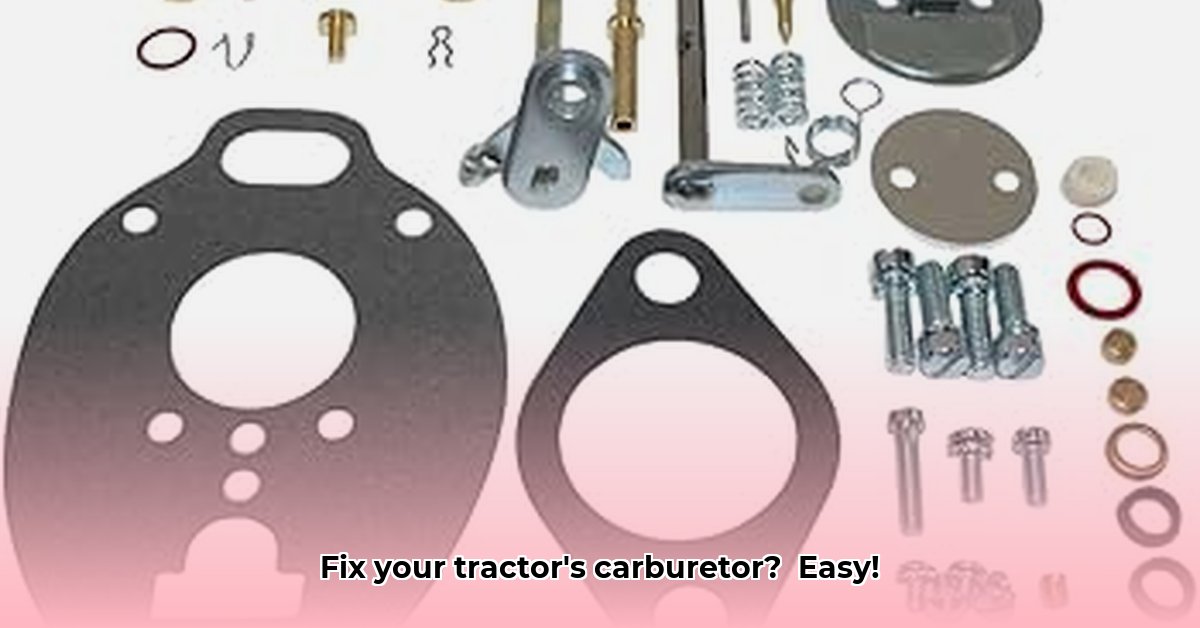
Tractor Supply offers a wide range of readily available and competitively priced carburetor repair kits. These kits typically contain all the necessary replacement parts (jets, gaskets, etc.) to restore your carburetor's functionality. Their accessibility makes them a practical solution for many farmers. Did you know that using a repair kit instead of replacing the entire carburetor can save you up to 75% on repair costs?
Diagnosing Carburetor Problems
Before starting repairs, carefully inspect your carburetor for visible damage (cracks, leaks, worn parts). This visual check, combined with noting any performance issues (starting difficulties, sputtering, power loss), will help you select the correct repair kit from Tractor Supply. A proper diagnosis is essential for successful repairs.
Step-by-Step Carburetor Repair Guide
This guide provides general instructions. Always consult your tractor's manual for model-specific details.
Preparation: Gather necessary tools (screwdrivers, wrenches, carburetor cleaner), wear safety glasses, and ensure a clean workspace. This meticulous preparation reduces errors and ensures a smoother repair process.
Carburetor Removal: Carefully disconnect fuel lines and other connections, taking photos or detailed notes of the carburetor's position and components for easier reassembly. Remember, accuracy at this stage prevents future headaches.
Disassembly: Systematically disassemble the carburetor, meticulously documenting the order and position of each part with photos or labelled diagrams. This careful approach ensures correct reassembly.
Cleaning and Inspection: Thoroughly clean each component using carburetor cleaner. Replace any damaged or worn parts from your Tractor Supply kit. Pay close attention to small jets, as these are frequently the source of malfunction.
Reassembly: Carefully reassemble the carburetor, following the reverse order of disassembly. Double-check gasket placement to ensure a tight seal and prevent fuel leaks. Accuracy is paramount at this point.
Reinstallation: Remount the carburetor onto the engine, reconnect fuel lines, and verify all connections. A thorough reinstallation minimizes the chances of future issues.
Testing and Adjustment: Start the engine and observe its performance. Minor adjustments to carburetor settings might be needed, consulting your tractor's manual for guidance.
The Sustainability Advantage: Repair vs. Replacement
Repairing your carburetor using a Tractor Supply kit offers numerous environmental and economic benefits. Repair extends your tractor's lifespan, reducing waste and the environmental impact of manufacturing new parts. It's a clear demonstration of sustainable farming practices.
Choosing the Right Tractor Supply Kit
Use your tractor's engine manual to find the correct carburetor model number. This number is crucial for selecting the appropriate repair kit. Selecting the right kit ensures a successful repair from the outset.
Cost Comparison: Repair vs. Replacement
A simple cost comparison highlights the financial benefits of repair:
| Option | Initial Cost | Long-Term Costs | Environmental Impact |
|---|---|---|---|
| Repair (Tractor Supply Kit) | Low | Very Low | Low |
| Complete Carburetor Replacement | High | Potentially High | High |
The long-term cost savings and reduced environmental impact of repair are significant.
Key Takeaways: Sustainable Carburetor Maintenance
- Preventative Maintenance: Regular cleaning and inspections of the carburetor significantly extend its life.
- Eco-Conscious Choices: Selecting repair kits over complete replacements minimizes waste and reduces your environmental footprint.
- Informed Purchasing: Accurate carburetor identification ensures that you select the correct replacement kit.
- Cost-Effective Solutions: Repairing your carburetor provides significant financial savings compared to replacement.
By adopting this approach to carburetor maintenance, you're contributing to a more sustainable and economically sound farming operation. Remember to always consult your tractor’s manual for specific instructions and safety precautions.